Our Ancestry
SCOTTISH CRAFTSMANSHIP CONTINUES IN AMERICA
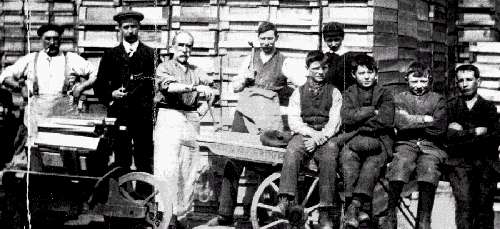
The Summers brothers, known for their craftsmanship as cabinet makers, had a shop on Victoria Street, in Fraserburgh, Scotland. Alexander Summers, Wygent's grandfather, is the wee boy wearing a cap in the back row, fourth from the right. Wilson Summers, Wygent's great-grandfather, can be seen in the foreground, third from the left, hands propped on a tool.
The Summers brothers, known for their craftsmanship as cabinet makers, had a shop on Victoria Street, in Fraserburgh, Scotland. Alexander Summers, Wygent's grandfather, is the wee boy wearing a cap in the back row, fourth from the right. Wilson Summers, Wygent's great-grandfather, can be seen in the foreground, third from the left, hands propped on a tool.
Today, Americans, Australians, Canadians and others are employing the fine craftsmanship which emigrated with their Scottish ancestors to make their own bagpipes and reeds. The employees of Wygent Reeds are no exception. Our grandparents and great-grandparents brought to America from Scotland a fierce pride in their home, confidence in the work of their own hands, and a determination to succeed in a new country.
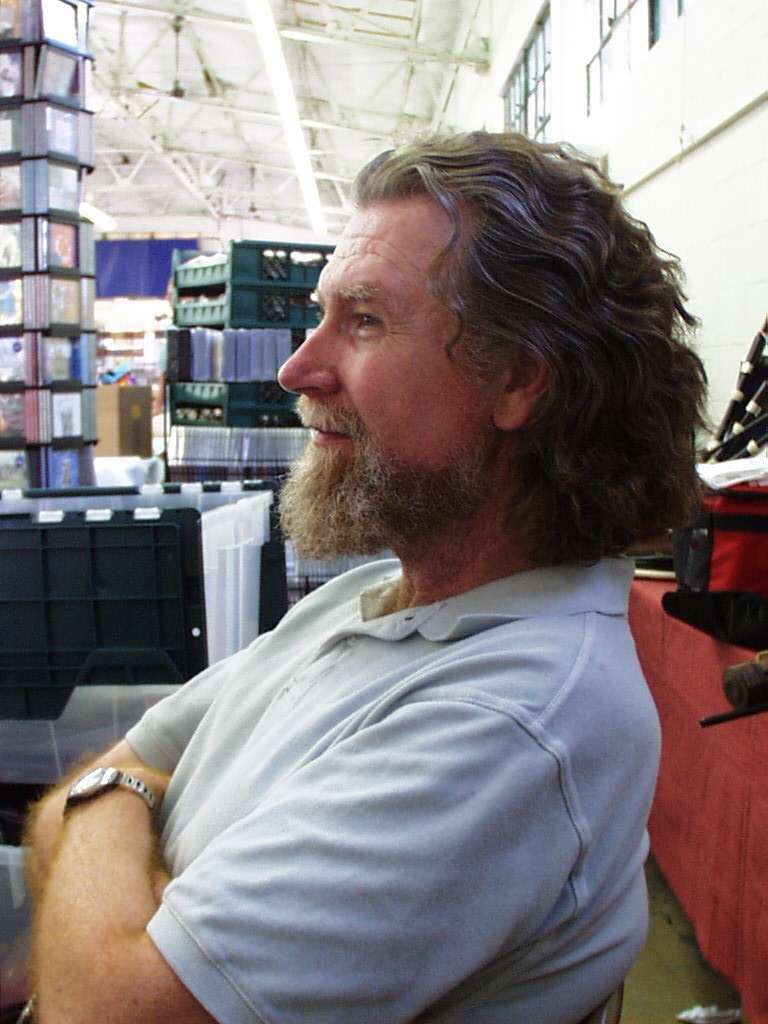
Mark Wygent is owner of, and reedmaker for Wygent Reeds. His grandparents emigrated from Fraserburgh, Scotland, to Detroit, Michigan, shortly after World War I. Nell and Alexander Summers counted among their Fraserburgh forbears prominent cabinetmaker Wilson Summers, who late in his life chronicled Fraserburgh history for The People's Journal ; Capt. Wilson Summers, captain of the whaling vessel Philorth, who was a hero among Fraserburgh's Brochers for running the blockade during the Franco-Prussian War of 1870; shoemaker William Trail; and tailor William Mitchell.
Maternal ancestors to my sons Brian and Cameron include Robert McMillan, who emigrated from Glasgow in 1912 with his pipe box, and dancing ghillies, confident that his skill as a glazier and painter would provide for his wife Jean and their five children, reared in Quincy, Massachusetts. His descendants may still look with pride at his glass work in the historic Custom House, between Central and State Streets, and near Quincy Market, Boston. His turn-of-the-century dancing medal won for a sword dance, and presented by Queen Victoria, is a cherished keepsake.
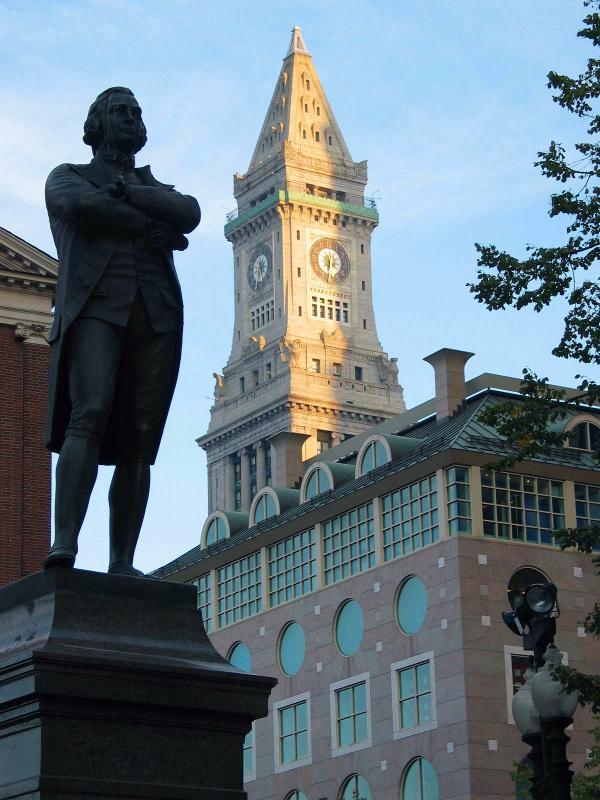
Custom House - Quincy, MA
Here in Delaware, the traditions of our Scottish ancestors continue. Mark Wygent is grateful for the piping instruction he received beginning in 1960, from Michigan piper Bill Grant, an exceptionally gifted pupil of George Duncan and John Wilson. Tuition is offered to dedicated young piping students.
We are profoundly grateful to our Scottish ancestors for the lives they began for us in America. Each day in our workshop, and each reed we make, is an opportunity. An opportunity to turn out our very finest work, to practice the pride in craftsmanship brought to America by our grandparents, and an opportunity to say thank you, both to our forbears, and to the land they left behind. Read more about Fraserburgh, Scotland
 , on the Fraserburgh Community Web - it's people, and it's history, both past and present.
We are very pleased that some of the pipers in the fine group The Deeside Caledonia Pipe Band
hailing from Aberdeen, Scotland, have chosen to play our drone reeds, and their "cousins" from across the way wish them every success in their efforts during this year's competition season. Click on the link just above to view their informative band website.